Fan Spotlight – The Village
By TeeJay – Guest Contributor
17 Mar 2026
It doesn’t happen very often, but occasionally I get drawn into a TV series deeply enough that I start losing sleep over it – in the sense that I know I need to switch off the telly and go to bed because it’s past 1 a.m. and I have to work the next day, but I can’t because it’s just that good and I need to know what happens next.
So here I am, that next day, bleary-eyed and worse for wear, writing up my thoughts about it in a manner that is probably a little less coherent than it should be.
What I’m talking about is Peter Moffat’s The Village, a BBC series from 2013 & 2014, not to be confused with the M. Night Shyamalan movie thriller of the same name or the somewhat controversially discussed scriptwriter Steven Moffat who co-wrote Sherlock.
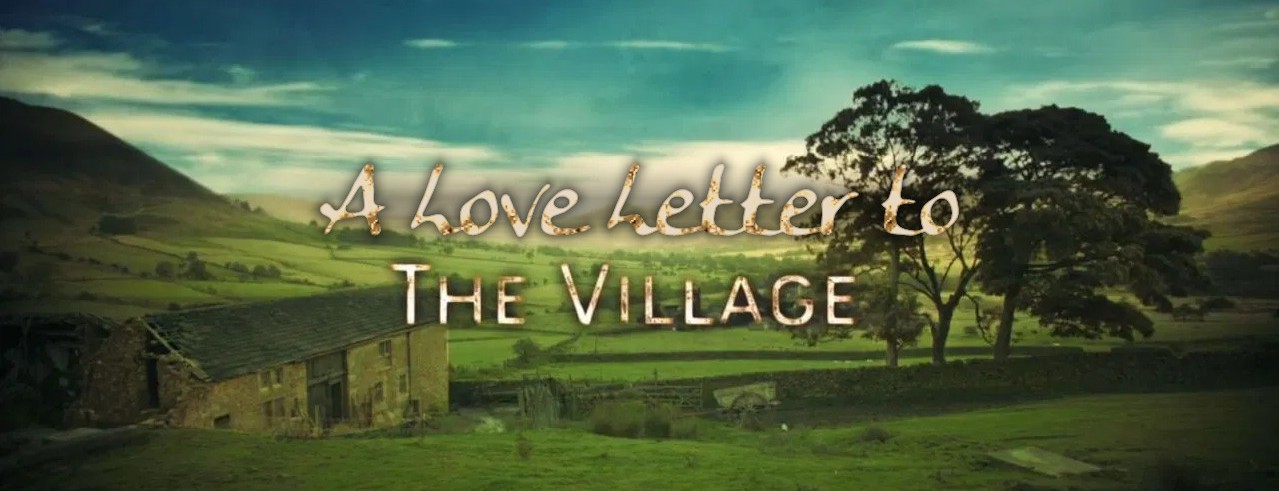
The DVD covers call it “refreshingly brilliant” and “all the finesse of Downton”, featuring prominent imagery of the main cast in front of scenic Derbyshire countryside to set the scene. The short description of its main premise on Wikipedia doesn’t really do it justice when it says, “The Village tells the story of life in a Derbyshire village through the eyes of a central character, Bert Middleton.” Because there is more to it than that.
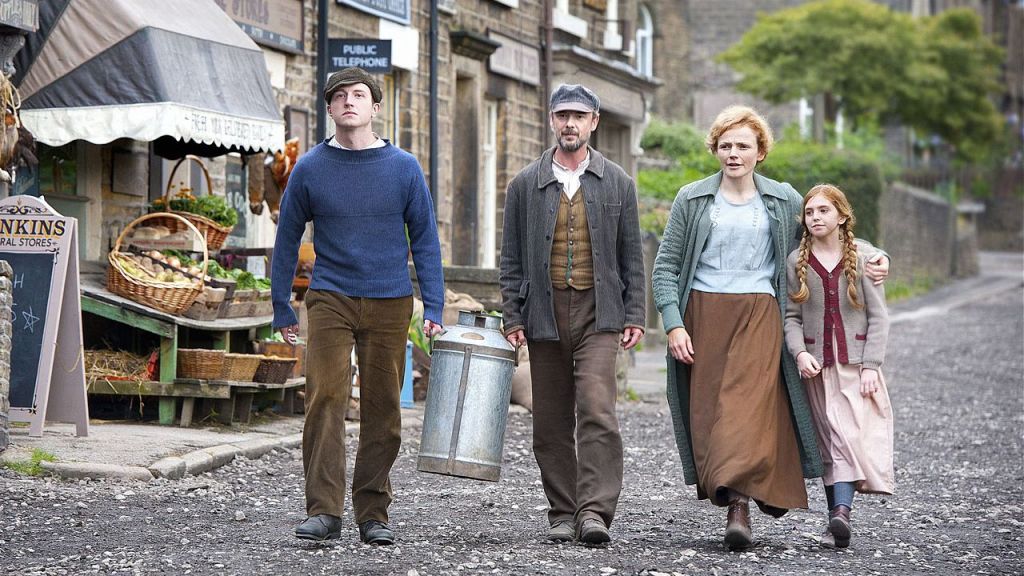
Over the course of 12 episodes, we follow rural life in a small, fictional village in the wider Peak District area throughout the mid-1910s to 1920s. At its heart is young Bert Middleton as the central character, through whom we bear witness to typical struggles of the time – from impending world war to the threat of poverty hanging over people’s heads like a second shoe ready to drop.
We first meet Bert in 1914 as the second son to John and Grace Middleton. At 12 years old, he witnesses how his older brother Joe gets conscripted to fight in the first World War while his parents stay at home to run the local farm that’s barely making enough money to feed the family. Existential crises dominate their home life, with John being an embittered father in the throes of a drinking problem and Grace a struggling mother, battling to keep their family together.
On the flip side of life in the dirty, grueling trenches of manual labour, we accompany the journeys of other inhabitants of the village as they go about their very different lives – first and foremost a stark juxtaposition of the wealthy Allingham family. But not all is as high society picture-perfect as it seems – with infidelity, intrigue and the next family scandal perpetually simmering inside their large estate walls.
As with any small community like this, the lives of many of the village’s residents intersect, budding romances start and end, arranged marriages and children born out of wedlock bring ruin and people tend to meddle with things that shouldn’t be meddled with. Things go on here that are heartwarming, shocking or fascinating to watch and there is always something that makes you want to laugh, rage, sneer or cry.
Now, full disclosure: I came into this series because of John Simm, but I left with a deep appreciation of its writing, acting and execution. The characters are all incredibly three-dimensional and complex – and are all deeply flawed, yet rewardingly redeemable. What this series also does incredibly well is to say things in the quiet moments – those scenes where no one speaks, yet the words echo loudly and clearly in the pregnant silences. It’s those magical moments that have you feel that clenching in your gut like you’re right there.
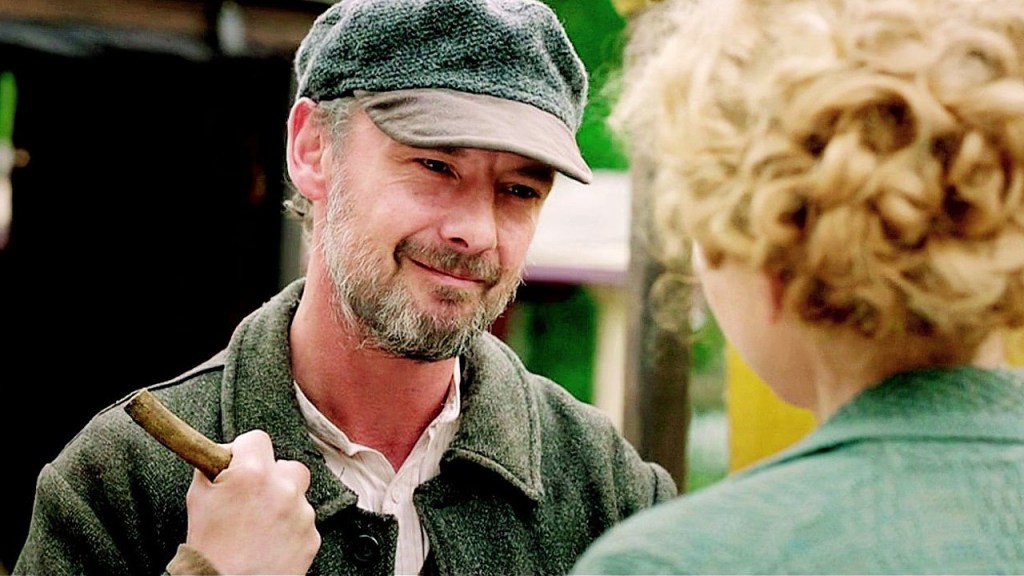
John Simm’s character in particular struck a chord, because when you dive in, you find John Middleton in a spot where he is profoundly unlikeable. Jaded and embittered by the harsh life he leads and the transgressions he’s haunted by, he seeks refuge in consumption of ale at the local pub, and takes his eternal frustration out on his wife, both verbally and physically. To his sons he is barely more than an overbearing bully who doesn’t listen and instead lashes out, at a time when it was difficult to escape marriage and the family you were born into.
And while it’s harsh and unforgiving when you see that a man beats his wife or mistreats his children, you learn why he is as troubled as he is and why he may be driven to such lengths. It doesn’t make it any better, but it leaves you with a profound wish that he’d learn to become a better version of himself. And over time, it’s rewarding to follow that journey and see actual character growth.
In particular, there’s an incredibly visceral scene where we see John Middleton feeding his alcohol addiction by sucking dirty floor scrubbing water mixed with ale from the bristles of a cleaning brush. It tells you that this is a deeply troubled man who doesn’t know how to deal with his anguish, and it only gets worse from there.
Yet, when we witness John actually hitting rock bottom, we also witness that not all is lost and that there may be reasons worth living for, only for him to be faced with an utterly different fate at the end of series two. A fate that is absolutely painful to watch but beautifully portrayed and executed in a way that it moved me to tears on multiple occasions.
What makes these characters’ journeys engaging to watch is also the way in which they chose to portray them. The series doesn’t shy away from showing dirty underbellies or the grittiness of it all. It lets you be witness to the intricacies of life in the early 20th century in all their ups and downs.
Looking back on it now, it’s a little sad that the series never saw its full potential since the BBC cancelled it after two series with a total of 12 episodes when it was conceptually developed as 42 episodes spanning a 100-year period. Popularity seems to have waned during the second series, not exactly helped by a Sunday evening time slot for family friendly viewing that didn’t necessarily cater to the kind of dark, gritty themes that run through The Village.
That said, even thirteen years after its original airdate, I find that The Village still holds up well to its promise of a well-made period drama – which says a lot because I’m not generally a fan of period pieces. Perhaps what drew me to it is that it feels realistic without being overly ostentatious, or my love for British landscape reminiscent of the Yorkshire Dales, or that rugged Northern accent that’s woven through all of it—or all of the above.
Opposite John Simm are also starring Maxine Peake, Tom Varey, Juliet Stevenson, Rupert Evans, Nico Mirallegro, Bill Jones, Tom Varey, Augustus Prew, Emily Beecham, Phoebe Dynevor and more.
If you’d like to catch up on The Village, it’s available in several countries through different streaming services such as Amazon Prime, Peacock, Britbox or Sky. Check justwatch.com for more details. Both series are also available on DVD, although it seems that the second series is out of production in Europe and fairly costly even on second hand platforms but more easily accessible in the US.
About the Author

Tina (a.k.a. TeeJay) is an avid TV series enthusiast, hobby photographer, tabletop roleplayer, computer geek and graphics nerd. She tends to go into rabbit holes when she finds something she’s passionate about and then sometimes wants to write about it. She’s tried to save TV series from dying cancellations deaths and is currently running a blog for the Netflix series Dept. Q. On social media, you can find her on Instagram, Tumblr and Reddit where she sometimes often posts about John Simm and other TV projects she loves.

 John Simm Society Blog
Leave a comment